0345 224 3691



 Enjoy the May Bank Holiday!

Price Match
We guarantee our prices are extremely competetive and should be the BEST prices you will find on-line, along with delivering the very best service. For this reason, we offer a price match against other on-line sellers. If you find the same product elsewhere on line, give us a call on 0345 224 3691 and we will match or even beat it! Note that the following conditions must be met for the price match to apply:
- The item must be available on a UK website at the advertised price, and readily available to purchase, with a like for like delivery offering.
-The item in question must have the same specifications, quantity and be produced by the same manufacturer - although we will usually price match even if made by a different manufacturer, as long as its a comparable quality.
- Auction sites such as ebay and amazon do not qualify for price match.
- The price match cannot be used in conjunction with any discount codes or promotional items.
- If there are pricing errors on competitors sites that are clear typographical pricing errors, these will not be matched.
- Note that for corrugated lines (boxes/cartons), the item must be of the same specification (fluting and thickness) and be unbranded.
Call us on 0345 224 3691 and we will be more than happy to help!
How to Package Essential Oils for Shipping: Supplies & Tips
Key Takeaways
-
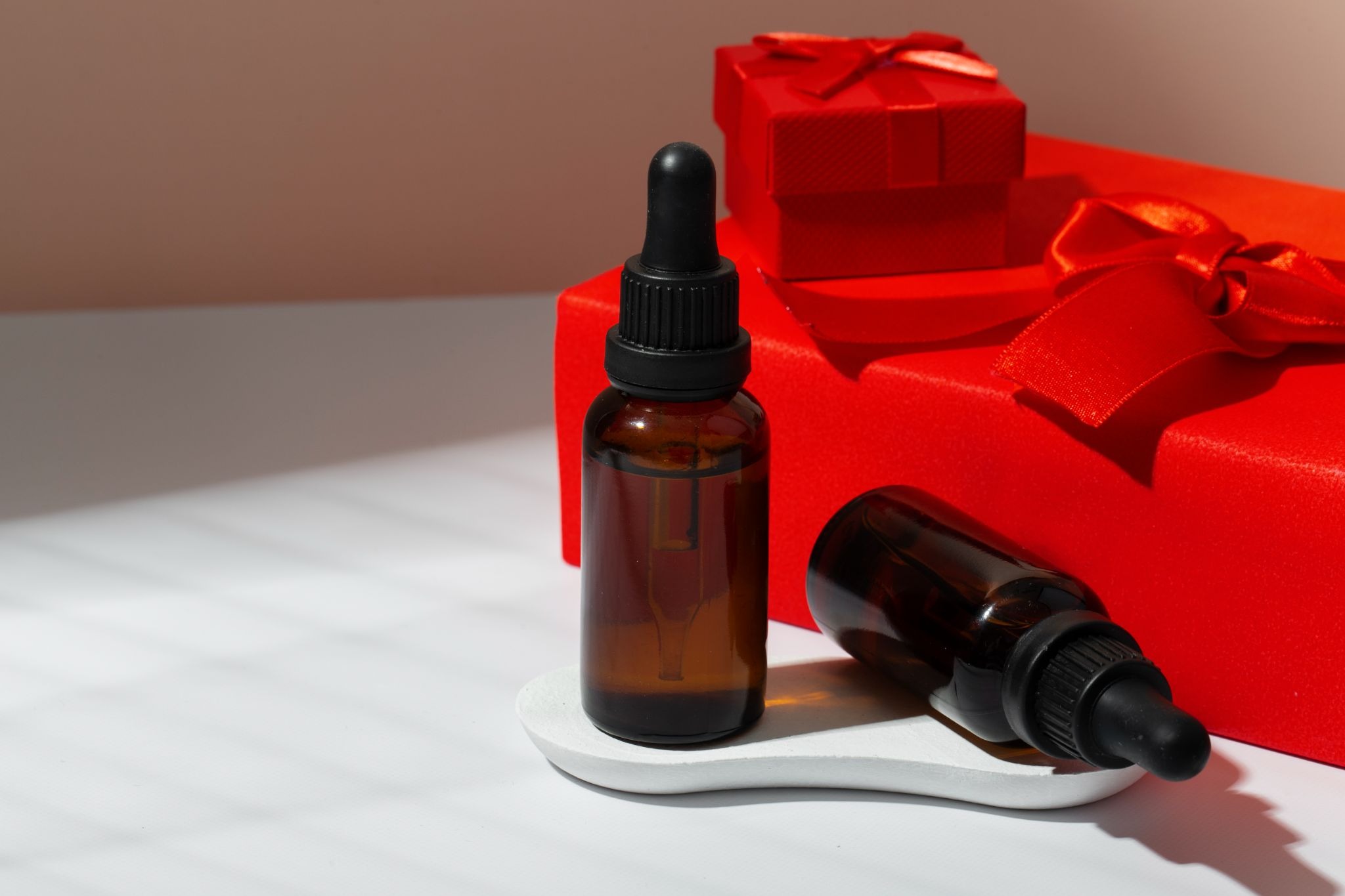
Essential oils ship safely in amber or cobalt glass bottles with matched closures, oil-resistant biaxially oriented polypropylene (BOPP) labels, and leak-proof secondary containment.
-
Royal Mail allows essential oils within the UK only under specific restrictions, so senders must confirm the current rules for oils before posting any parcel.
-
Absorbent material soaks up oil that escapes a failed cap, while foam, moulded pulp, and bubble wrap protect glass from impact but can’t be relied on to absorb spills.
-
Retail cartons rarely protect glass dropper bottles in transit, so a rigid shipping box sized for the liner, absorbent layer, and cushioning matters more.
-
At Globe Packaging, we stock grip seal bags from GL0 to GL15 that add an extra sealed layer around each bottle, alongside small bubble wrap, with same-day dispatch on orders placed by 4pm.
How Are Essential Oils Packaged for Shipping?
Essential oils are packaged for shipping in matched bottle-and-closure sets, placed in a leak-proof liner with absorbent material and cushioned inside a rigid shipping box. Bottles leak or break when one of those layers is chosen for the wrong job, for example, a cap that fits the neck but isn’t suited to the oil’s thickness.
A few layers of bubble wrap protect glass from impact, but they do nothing to contain oil once a cap fails, so a bottle can survive every bump in a delivery van and still arrive with oil pooled in the box. Leakage and breakage are different failures, so they need separate fixes instead of one all-purpose solution.
At Globe Packaging, we treat containment, absorbency, and cushioning as three independent jobs, because handling them as one combined step is what separates a box that arrives intact from one that shows up smelling of lavender from across the room.



Essential Oil Packaging Supplies
Glass Bottles That Protect Light-Sensitive Oils
Amber or cobalt glass is the standard recommendation for essential oils because coloured glass blocks light exposure that can degrade sensitive compounds over time. Clear glass might look cleaner on a shelf, but it lets far more light through once the bottle leaves a dark cabinet.
Bottle selection also needs to match the specific oil or blend going inside it rather than being chosen purely on appearance. A bottle that works fine for a thin citrus oil may not suit a thicker, resin-based blend, so checking compatibility before packing is part of the process, not an afterthought.
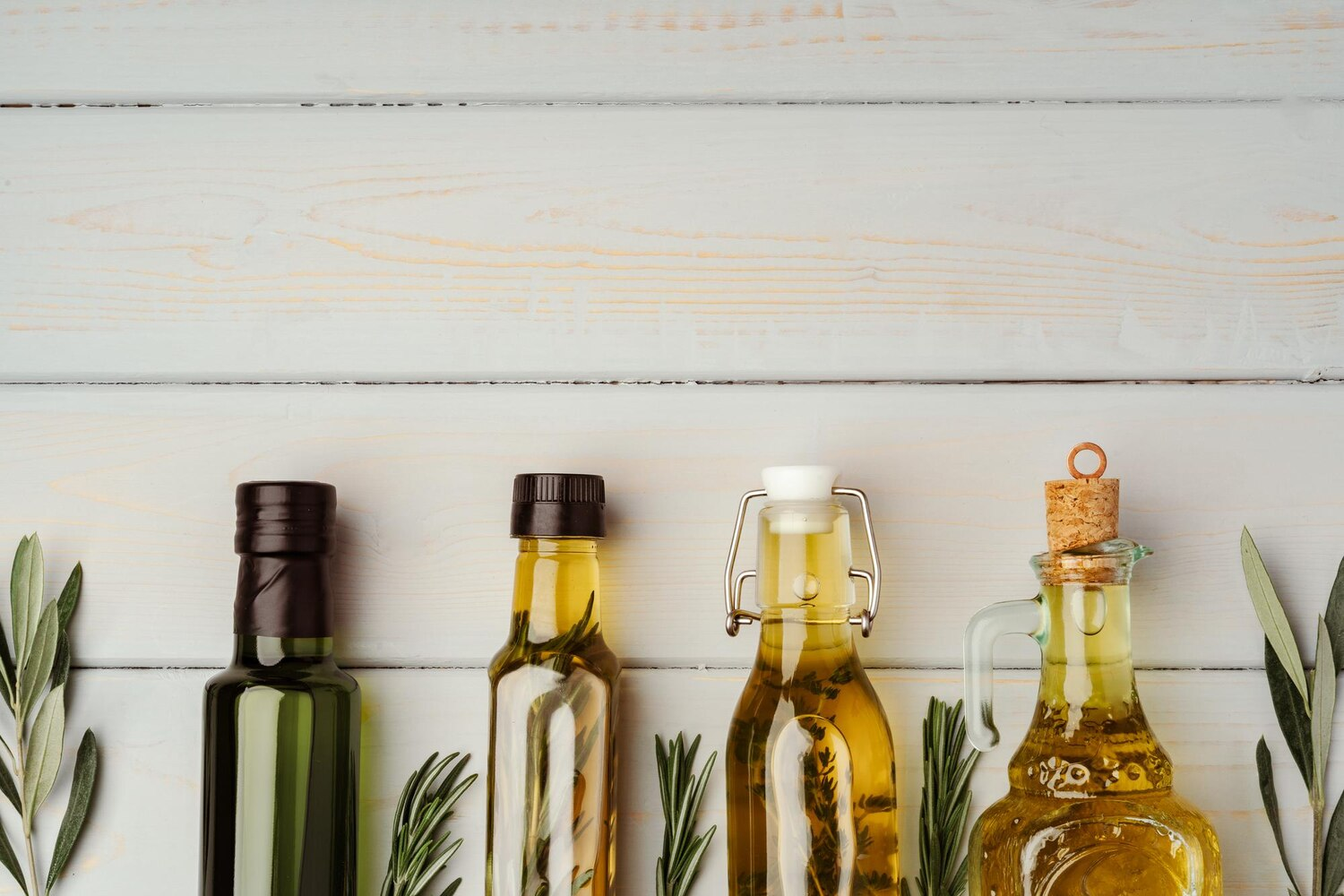
Each closure style seals differently, so the cap, liner, and bottle neck should be checked as one matched set before an oil is packed.
Caps, Closures, and Tamper-Evident Seals
The cap matters as much as the bottle. Screw caps, droppers, and reducers all need to match the bottle's neck size and the oil's viscosity, and every closure should be checked for a secure, leak-resistant fit before the bottle goes anywhere near a shipping box.
Tamper-evident seals add a layer of accountability by showing whether a bottle has been opened, but they are not a substitute for a closure that actually holds liquid in place. A seal can look perfectly intact on a bottle that still leaked during transit if the cap underneath wasn't fitted correctly.
Before packing, confirm the cap, liner, and dispensing component are compatible with the bottle and rated for the oil or blend inside, and treat tamper-evident features as an accountability measure rather than leak prevention.
Oil-Resistant Labels That Stay Readable
Labels take more abuse during shipping than most people expect. Oil residue, condensation, and handling friction can all cause standard paper labels to smear, peel, or become unreadable before a package even reaches its destination.
BOPP labels, which stand for biaxially oriented polypropylene, are the recommended choice because they resist both oil and moisture better than standard paper labels. This matters most for product identification and dosage instructions, which need to stay legible even after a bottle has been handled, stacked, or stored near other oily containers.
For the outer box, 4x6" fanfold thermal labels keep address details printed clearly for the courier.
Secondary Containment and Absorbent Material
Secondary containment exists for one reason: to catch liquid if a bottle fails, before it reaches the outer box or anything else in transit. Royal Mail's published guidance for specified liquid shipments calls for leak-proof liners, and that requirement reflects a broader principle that applies across carriers rather than one service alone.
Absorbent material solves a different problem than containment does. A leak-proof liner holds liquid in place, but it doesn't soak anything up, so adding suitable absorbent material inside that containment is what actually manages an accidental spill. It's worth noting that materials chosen to cushion glass from impact shouldn't be assumed to double as absorbent material. Foam and moulded pulp protect against breakage, but they won't necessarily absorb oil the way a dedicated absorbent liner will.
Cushioning, Inserts, and Dividers for Multiple Bottles
Cushioning and inserts exist to do two things at once: protect each bottle from impact and restrict how much it can move inside the box. Moulded-pulp and foam inserts are commonly recommended because they hold containers securely in place rather than letting them shift during handling.
Multi-bottle orders need a different approach than single-bottle shipments. A compartmented insert or divider arrangement keeps each bottle in its own space, which prevents glass-on-glass contact that causes chips, cracks, or full breaks when a box gets jostled.
Before any bottle goes into its cushioning, a quick inspection step catches problems early:
- Check each bottle and closure for visible damage before packing.
- Confirm caps and dispensing components are fitted correctly rather than screwed on loosely.
- Look for any early signs of leakage around the cap or seal.
- Only add protective materials once the bottle itself has passed inspection.
At Globe Packaging, our small bubble wrap comes in widths from 300mm to 1500mm and roll lengths from 10m to 100m, and our biodegradable bubble wrap is a lower-impact option for eco-focused brands. To fill the gaps around bottles, Fill-It Box Paper Void Fill stops contents shifting without adding more plastic.
Choosing the Outer Shipping Box
A decorative retail carton is built to look good on a shelf, not to survive a conveyor belt or the back of a delivery lorry. Relying on that branded box as the only shipping protection, or worse, using a padded mailing bag alone for glass bottles, leaves far too much room for breakage.
The right outer shipping box gets chosen after accounting for everything going inside it: the bottles, the secondary containment, the absorbent material, and the cushioning. It's tempting to downsize the box to save on shipping costs, but removing necessary protection just to shrink the parcel defeats the purpose of packing carefully in the first place.
For single bottles or small sets, small single wall boxes such as our 4x4x4", 5x5x5", and 6x6x6" sizes are a good starting point once the liner and cushioning are accounted for.
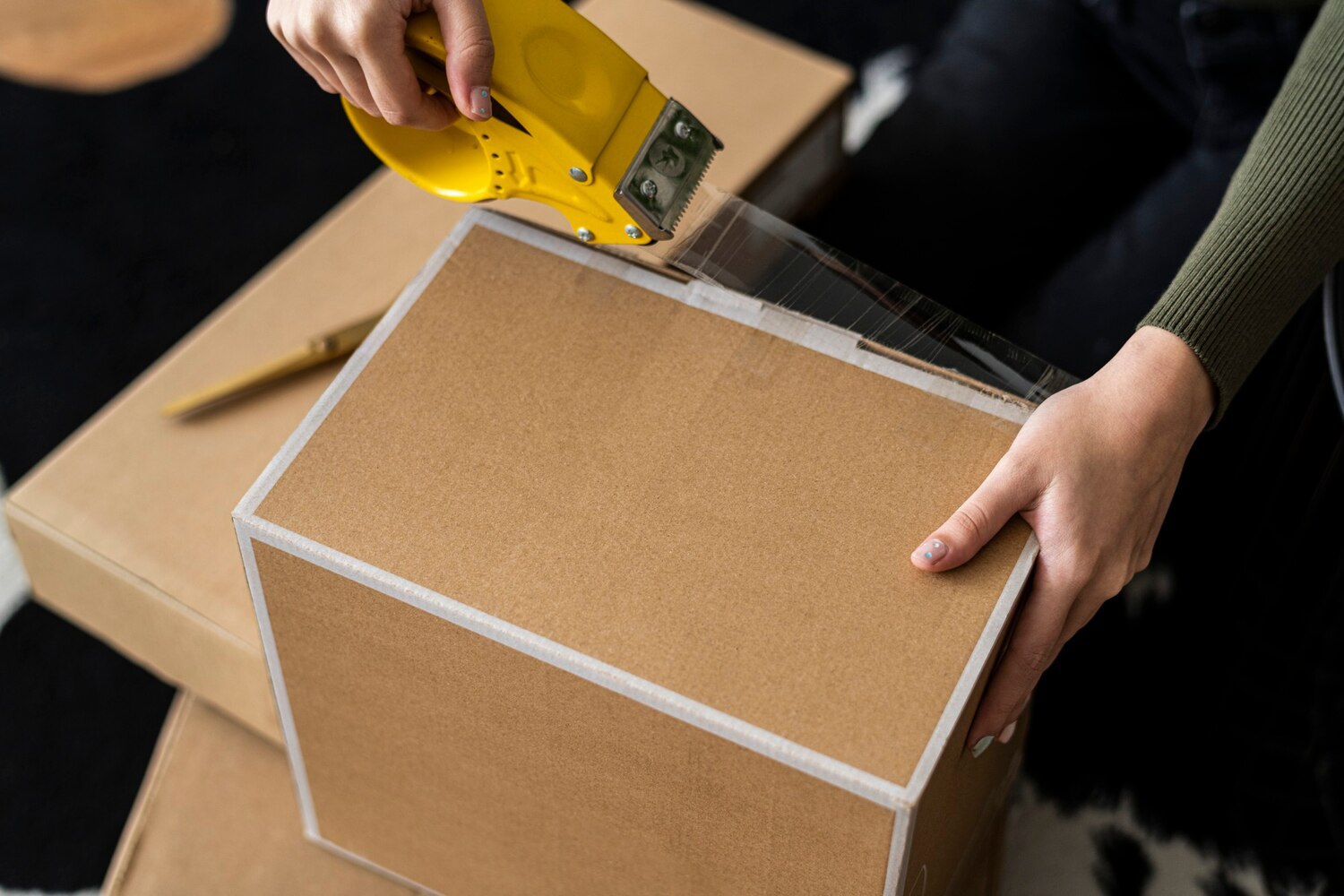
Box size is calculated from the packed contents, so a parcel may need to be larger than expected once every protective layer is included.
Tips to Pack Essential Oils So They Don't Leak
Getting consistent, leak-free results on every shipment comes down to a handful of habits rather than one perfect product. For anyone shipping essential oils regularly, these practices make the difference between occasional damage claims and a track record of bottles arriving intact:
- Match the bottle, cap, and liner to the specific oil or blend instead of assuming standard components work for everything.
- Run the inspection checklist above on every bottle before adding protective material.
- Use secondary containment and absorbent material as two separate layers, not one combined fix.
- Cushion and immobilise each bottle individually, especially in multi-bottle orders with dividers or compartmented inserts.
- Test labels on the actual bottle surface for oil and moisture resistance before a full production run.
- Choose an outer shipping box sized for the full protective system, bottles and all the layers around them.
- Standardise bottle sizes and packaging formats for repeat orders to control costs and simplify the process.
- Check the carrier's specific rules for essential oil shipments before sending, since protective packaging doesn't guarantee the product is permitted on that service.
Keep Every Essential Oil Bottle Intact with Globe Packaging

Globe Packaging supplies the liners, cushioning, and boxes that protect essential oil bottles on the way to UK customers.
Shipping essential oils safely comes down to treating leakage, breakage, and carrier compliance as three separate problems that each need their own solution. Getting any one of them wrong turns a simple shipment into a damaged, rejected, or unusable parcel, so every layer of protection has to be in place before the box is sealed.
At Globe Packaging, we bring that same bottle-by-bottle care to every order we supply, with grip seal bags, cushioning, and secure boxes that protect fragile items like essential oil collections from the packing bench to the final delivery. Order your essential oil shipping supplies from us with same-day dispatch on orders placed by 4pm and free next-working-day delivery to the UK mainland on orders over £50 (exc VAT).
Frequently Asked Questions (FAQs)
Can you ship essential oils in the mail?
It depends on the carrier and the specific oil. Many essential oils are classed as flammable liquids, which is why carriers restrict them more tightly than other liquids. Royal Mail, for example, places responsibility on the sender to check prohibited and restricted items before shipping, and other carriers set their own rules for liquid and flammable contents. Check the oil’s safety data sheet for its flash point and compare it with the carrier’s current rules before booking a service.
What is the best packaging for shipping essential oils?
Amber or cobalt glass bottles with matching secure caps, oil-resistant BOPP labels, leak-proof secondary containment, absorbent material, and fitted cushioning inserts inside a dedicated shipping box make up the full protective system recommended for essential oil shipments.
Do essential oils need to be shipped in glass bottles?
Amber or cobalt glass is the standard recommendation because coloured glass protects light-sensitive oils from degrading, unlike clear glass or plastic.
How do you stop essential oil bottles from leaking during shipping?
Use a secure, compatible cap and liner system, add leak-proof secondary containment, and include absorbent material to catch any liquid that escapes. These three measures address leakage specifically, separate from the cushioning that protects bottles from physical impact and breakage.
Does Globe Packaging sell supplies for shipping essential oils?
Yes. Globe Packaging supplies the polythene liners, protective cushioning and cardboard outers that essential oil shipments need, at trade-price value and in pack sizes suited to sellers who pack daily. With 65+ box sizes held at our 60,000 sq ft UK depot, a full packing system can come from one order.
*Note: Product listings, prices, and delivery times shown are approximate and subject to change. Contact Globe Packaging for the latest information.
Related Articles
-resized-to-600x400.jpeg)
About Us
| Terms & Conditions | Delivery Services & Costs | Privacy Policy | Return & Exchanges | Payment | Testimonials | Overview | Video | E-Commerce | Amazon APass | PayPal Branded | Press | Catalogue | Learning | Contact | Sitemape-Commerce solutions by KOL Limited
All displayed prices are exclusive of VAT at 20%