Accept
 Reject



 0345 224 3691



 Enjoy the May Bank Holiday!
Price Match
We guarantee our prices are extremely competetive and should be the BEST prices you will find on-line, along with delivering the very best service. For this reason, we offer a price match against other on-line sellers. If you find the same product elsewhere on line, give us a call on 0345 224 3691 and we will match or even beat it! Note that the following conditions must be met for the price match to apply:
- The item must be available on a UK website at the advertised price, and readily available to purchase, with a like for like delivery offering.
-The item in question must have the same specifications, quantity and be produced by the same manufacturer - although we will usually price match even if made by a different manufacturer, as long as its a comparable quality.
- Auction sites such as ebay and amazon do not qualify for price match.
- The price match cannot be used in conjunction with any discount codes or promotional items.
- If there are pricing errors on competitors sites that are clear typographical pricing errors, these will not be matched.
- Note that for corrugated lines (boxes/cartons), the item must be of the same specification (fluting and thickness) and be unbranded.
Call us on 0345 224 3691 and we will be more than happy to help!
Which Packing Peanuts Are Recyclable? Materials Explained
Key Takeaways
- Traditional polystyrene packing peanuts can be recycled but require special collection programs as they aren't accepted in regular curbside recycling
- Biodegradable packing peanuts can be composted or dissolved in water for eco-friendly disposal
- The water test is the simplest way to determine if your packing peanuts are biodegradable; they'll dissolve in water while polystyrene ones won't
- Globe Packaging offers eco-friendly packaging alternatives including biodegradable options and recyclable materials for businesses seeking sustainable shipping solutions
The Truth About Packing Peanuts: Not All Are Created Equal
When you tear open a package and find yourself knee-deep in packing peanuts, you're likely encountering one of several distinct types. These lightweight cushioning materials come in various compositions, each with different environmental implications. Understanding these differences is the first step toward responsible disposal.
The three main categories include traditional polystyrene (commonly but incorrectly called "Styrofoam"), biodegradable peanuts, and recycled-content varieties. Each type serves the same protective function during shipping but follows very different paths after use. Their environmental impact ranges from potentially harmful to relatively benign, depending on the material and how you choose to dispose of them.
Identifying which type you have is easier than you might think. Colour, texture, and simple tests can quickly reveal what your packing peanuts are made from and guide you toward the most environmentally responsible disposal method.



Traditional Polystyrene Packing Peanuts: The Recycling Challenge
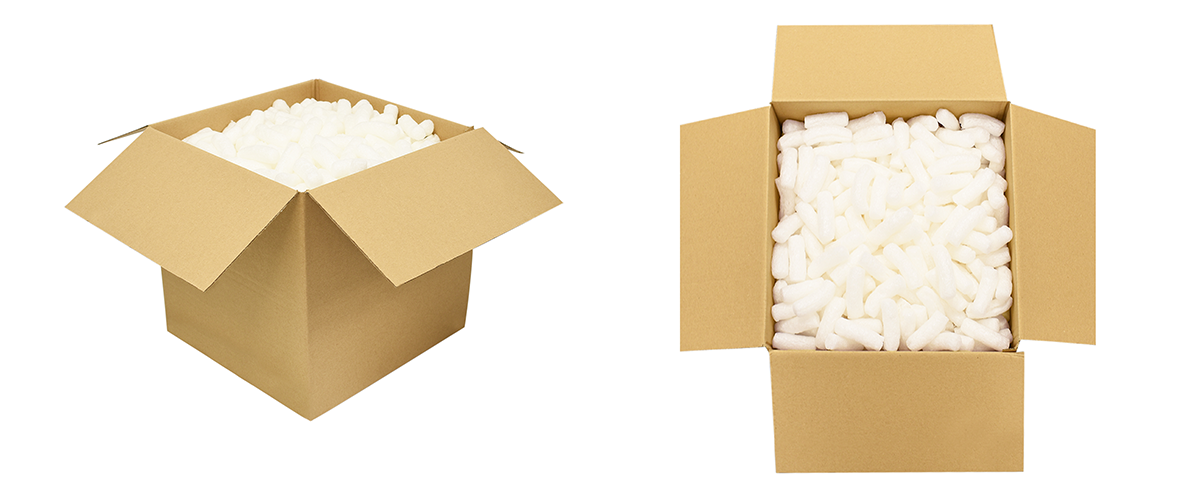
Traditional white packing peanuts are made from expanded polystyrene ideal for protecting shipped goods.
Traditional white packing peanuts are made from expanded polystyrene (EPS), a petroleum-based plastic that presents significant recycling challenges. These lightweight foam pieces are made up of mostly air, making them voluminous but incredibly light. This characteristic, while ideal for protecting shipped goods, creates problems in the waste stream.
Despite common misconceptions, polystyrene packing peanuts can technically be recycled. However, most curbside recycling programs don't accept them due to their low density and the difficulties they create in sorting facilities.
The recycling process for polystyrene packing peanuts requires specialised equipment that compresses the material to remove air, then melts it down for reuse. This process is energy-intensive and not widely available, creating a significant barrier to widespread recycling of these materials.
How to Identify Polystyrene Peanuts
Polystyrene packing peanuts have several distinguishing characteristics that make them easy to identify. They're typically lightweight, have a slightly glossy appearance, and make a distinctive squeaky noise when rubbed together or compressed.
Unlike their biodegradable counterparts, polystyrene peanuts resist water and don't dissolve when wet, maintaining their shape and volume indefinitely.
Why They're Problematic for the Environment
The environmental concerns surrounding polystyrene packing peanuts are significant and multifaceted. These petroleum-based products require substantial energy to manufacture and can potentially release toxic substances during production.
Once in the environment, they break down extremely slowly, by some estimates, taking over a million years to fully degrade naturally.
Limited Recycling Options for Traditional Foam Peanuts
While traditional polystyrene packing peanuts can technically be recycled, finding facilities that accept them requires effort. Most municipal recycling programs explicitly exclude foam packaging materials due to contamination concerns and processing challenges.
Some specialised recycling centres do accept clean, dry polystyrene peanuts, but they're not widely available in all communities. Many shipping stores also accept clean polystyrene peanuts for reuse, which is often more energy-efficient than recycling them into new products.
Biodegradable Starch-Based Packing Peanuts: The Eco-Friendly Alternative
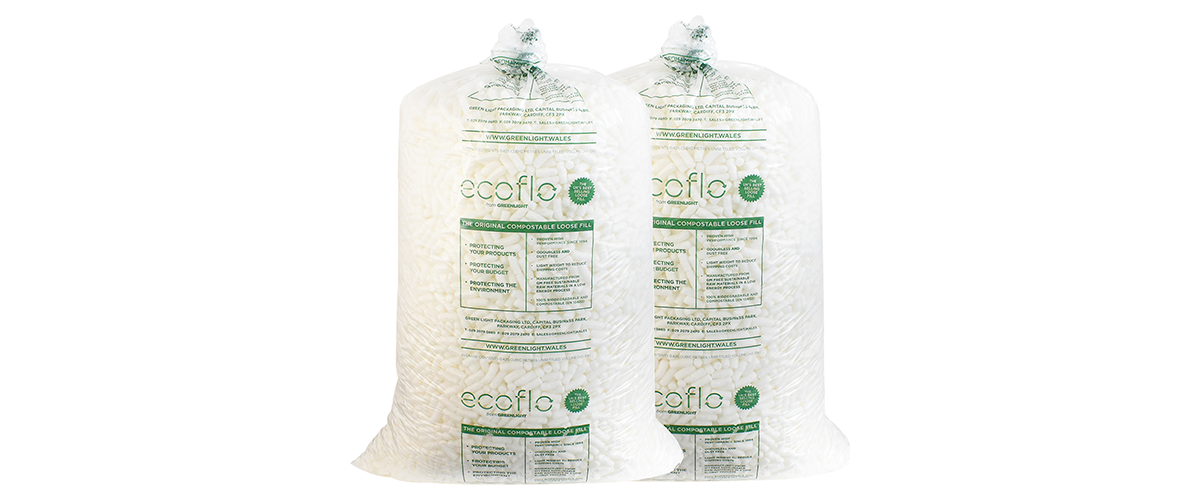
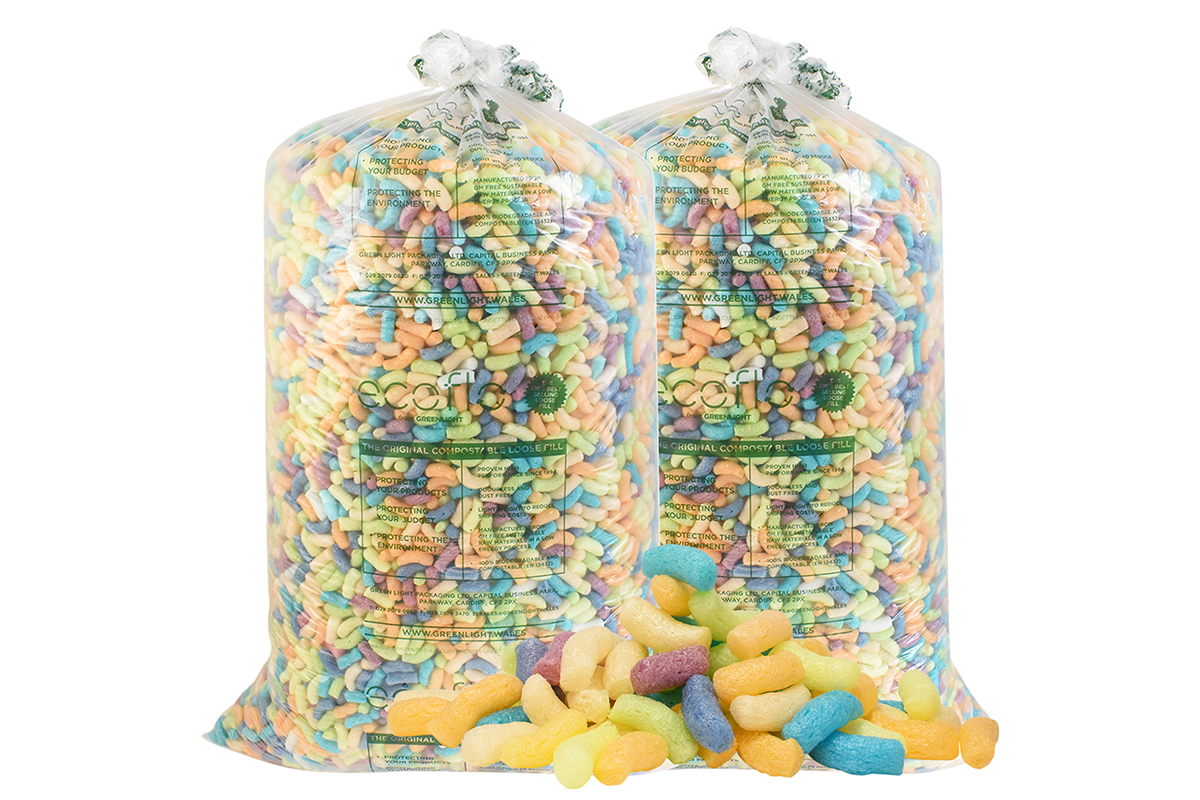
Biodegradable packing peanuts represent a significant improvement over traditional polystyrene versions.
Typically made from natural, non-toxic sources like wheat and corn starch, these eco-friendly alternatives dissolve in water and can be composted after a single use. Their introduction to the market has provided shippers with an environmentally responsible option that doesn't compromise on protection.
Unlike their polystyrene counterparts, starch-based peanuts break down quickly in the environment, sometimes in as little as a few weeks under the right conditions. They contain no petroleum-based components and produce no toxic residues when they decompose.
This rapid biodegradation process returns the material to the earth as organic matter, completing a sustainable life cycle.
How to Tell if Your Packing Peanuts Are Biodegradable
The water test remains the quickest and most definitive way to identify biodegradable packing peanuts. Simply place a suspect peanut in a glass of water and observe what happens over 1–2 minutes. Biodegradable versions will begin to soften almost immediately and start dissolving into a cloudy, starch-based slurry. This simple test requires no special equipment and provides immediate results.
After confirming biodegradability through the water test, you can confidently dissolve unwanted peanuts in your sink under running water. The resulting starch is non-toxic and safe for most plumbing systems, though it's best to dissolve them gradually to avoid potential clogs.
Other Test to Identify Biodegradable Peanuts
While the most reliable test involves water, another identification method is texture and appearance. Biodegradable peanuts typically have a slightly more matte finish compared to the glossier surface of polystyrene versions.
They also feel different, biodegradable options are often slightly denser and less "squeaky" when compressed. Some biodegradable peanuts may even have a slight off-white or yellowish tint compared to the bright white of traditional polystyrene.
Composting Options and Timeframes
Once you've confirmed your packing peanuts are biodegradable, composting becomes an excellent disposal option. These plant-based materials can be added directly to home compost systems, where they typically break down within 30–90 days, depending on moisture levels and temperature.
For home composters, mixing the peanuts throughout the pile rather than dumping them in a single layer helps speed decomposition. Adding them to moist areas of your compost accelerates the breakdown process. Some gardeners even dissolve them in water first, then pour the resulting starchy solution directly onto their compost pile as a nitrogen booster.
3 Smart Ways to Properly Dispose of Each Type of Packing Peanut
1. Mail-Back Programs: Return to Sender
Several packaging manufacturers and shipping companies now offer mail-back programs for their packing materials. These programs allow consumers to return used packing peanuts (typically polystyrene varieties) to be reused or properly recycled. Some online retailers even include a return pouch with prepaid postage specifically for returning packaging materials.
This option creates a closed-loop system where materials continue circulating rather than becoming waste. While it requires some effort on the consumer's part, mail-back programs represent one of the most effective ways to ensure proper handling of difficult-to-recycle materials like polystyrene peanuts.
2. Shipping Store Drop-Offs
Local shipping and mailing stores like Royal Mail and independent mail centres frequently accept clean, reusable packing peanuts of all types. These businesses reuse the peanuts in their own packaging operations, extending the materials' useful life significantly. This reuse approach is particularly valuable for traditional polystyrene peanuts that have limited recycling options.
Before dropping off peanuts, call ahead to confirm the store accepts them and whether they have any quantity limitations or cleanliness requirements. Most stores prefer peanuts that are free from tape, paper scraps, and other contaminants, making them immediately reusable for their shipping needs.
3. Last Resort: Proper Trash Disposal Methods
If reuse or recycling options aren't available, proper trash disposal becomes the final alternative. For polystyrene peanuts that must be discarded, contain them in a sealed bag before placing them in the trash to prevent them from blowing away and becoming litter. Because of their light weight, loose polystyrene peanuts easily escape from waste management systems and contribute to environmental pollution.
For biodegradable starch-based peanuts that cannot be composted, standard trash disposal is still preferable to polystyrene alternatives. These materials will eventually break down in landfill environments, though the process takes much longer than in a composting system due to limited oxygen exposure.
Make Smarter Packaging Choices Today
Whether you're a consumer managing the packaging waste that comes into your home or a business making shipping decisions, your choices matter. Whenever possible, select products shipped with biodegradable or recycled content packaging, and properly dispose of the packing materials you receive.
For businesses, consider transitioning to biodegradable packing peanuts or exploring innovative alternatives like molded paper pulp or air cushions that offer similar protection with less environmental impact. Globe Packaging provides eco-friendly packaging solutions that help businesses reduce their environmental footprint while maintaining the highest standards of product protection.
Choose Globe Packaging for Sustainable Protection Solutions
At Globe Packaging, we're committed to providing sustainable protective materials that don't compromise on quality. Our extensive range includes eco-friendly alternatives to traditional packing peanuts, from biodegradable loose fill options to recyclable corrugated paper rolls and innovative bubble wrap solutions.
We understand that businesses need packaging that protects their products which is why we provide eco-friendly packages aligning with their environmental values.

Make the switch to responsible packaging solutions with Globe Packaging, where protection meets sustainability without breaking the bank.
As one of the UK's leading packaging distributors, we combine competitive pricing with next-day delivery on orders placed by 4 PM. Whether you're transitioning away from polystyrene peanuts or exploring sustainable void fill options, our expert team can guide you toward protective materials that meet both your budget and environmental goals.
Frequently Asked Questions
Can I put biodegradable packing peanuts in my compost bin?
Yes, biodegradable packing peanuts made from plant starches can be added to home compost systems. They break down within 30–90 days depending on conditions. To speed decomposition, dissolve them in water first or mix throughout your compost pile. Verify biodegradability using the water test beforehand.
How long do polystyrene packing peanuts take to break down in landfills?
Traditional polystyrene packing peanuts take hundreds to thousands of years to break down in landfills, with some estimates extending beyond a million years. During breakdown, they may fragment and leach compounds into soil and groundwater, highlighting the importance of proper recycling or reuse.
Are there any mail-back programs for recycling traditional packing peanuts?
Yes, some manufacturers offer prepaid mail-back labels. Local shipping stores like Royal Mail also accept clean peanuts for reuse. Peanuts must be contaminant-free.
What should I do with packing peanuts if I'm not sure what type they are?
Use the water test: place a peanut in water. If it dissolves within minutes, it's biodegradable and compostable. If it floats unchanged, it's polystyrene requiring specialised recycling. Colour also helps: white (virgin polystyrene), pink (anti-static), green (recycled content).
Does Globe Packaging offer eco-friendly alternatives to traditional packing peanuts?
Yes, Globe Packaging stocks sustainable protective materials including biodegradable loose fill, recyclable corrugated paper rolls (300 mm–1500 mm widths), recyclable bubble wrap, and kraft paper. Many products use 100% recycled content. Next-day delivery available. Contact us for guidance.
*Note: Prices shown are approximate and subject to change. Contact Globe Packaging for the latest information.
Related Articles
-resized-to-600x400.jpeg)
About Us
| Terms & Conditions | Delivery Services & Costs | Privacy Policy | Return & Exchanges | Payment | Testimonials | Overview | Video | E-Commerce | Amazon APass | PayPal Branded | Press | Catalogue | Learning | Contact | Sitemape-Commerce solutions by KOL Limited
All displayed prices are exclusive of VAT at 20%